

Rovynel Learning Center
Where to Place a Temperature and Humidity Sensor
Use representative placement, avoid local heat and moisture sources, and deploy multiple sensors when one point cannot describe the whole space.
Read topic →Learning center / understand before you adjust
Water fundamentals, practical guides, crop and aquatic profiles, and model-specific instructions. Readings become more useful when you understand their limits.

resources shown
Start here / fundamentals
Related readings are not interchangeable. Understand conductivity, device-specific TDS estimates, salinity and specific gravity before comparing numbers.
Read the full guideUnit relationship / not a live reading
1 mS/cm
= 1,000 µS/cm
EC uses conductivity units. A TDS estimate also needs a device-specific conversion factor.
Monitoring fundamentals
Rovynel Learning Center
Use representative placement, avoid local heat and moisture sources, and deploy multiple sensors when one point cannot describe the whole space.
Read topic →Rovynel Learning Center
Understand the difference between relative humidity, dew point, and vapor pressure deficit, and why temperature and leaf conditions matter.
Read topic →Rovynel Learning Center
Learn what dissolved oxygen means, how temperature and biological activity affect it, and why application-specific action levels are essential.
Read topic →Rovynel Learning Center
Understand what ORP measures, why it is reported in millivolts, and why ORP should be interpreted with pH, chemistry, and measurement conditions.
Read topic →Rovynel Learning Center
Learn why water temperature affects biology, reaction rates, dissolved oxygen, conductivity, and the interpretation of water-monitoring trends.
Read topic →Rovynel Learning Center
Compare EC, estimated TDS, and salinity so you can choose the right primary reading and avoid confusing conversion-based values.
Read topic →Rovynel Learning Center
Understand total dissolved solids, why handheld meters often estimate TDS from conductivity, and why the conversion factor must be stated.
Read topic →Rovynel Learning Center
Learn what electrical conductivity measures, why temperature and dissolved ions matter, and how EC differs from a direct chemical analysis.
Read topic →Rovynel Learning Center
Understand what pH measures, why it matters, how to measure it, and why application-specific targets are more useful than one universal number.
Read topic →Practical water guides
Water Quality Guides
A two-video guide for preparing pH 4.01, 6.86 and 9.18 buffers and completing three-point pH calibration on the Rovynel HY485 hydroponic monitor.
Read topic →Water Quality Guides
A three-video guide for the Rovynel 10.0 Series covering pH buffer preparation, pH calibration, and salinity and specific gravity adjustment.
Read topic →Water Quality Guides
A three-step Rovynel M485 video guide covering pH buffer preparation, three-point pH calibration, and salinity and specific gravity adjustment.
Read topic →Water Quality Guides
Set Tuya Smart or Smart Life app alerts for your Rovynel pool monitor and learn how to contact Rovynel support for reading calibration help.
Read topic →Water Quality Guides
A smoother step-by-step Rovynel pool monitor setup guide with three short videos, viewing notes, and a final setup checklist.
Read topic →Water Quality Guides
Compare the separate sensor and app connections in Rovynel Pool LoRa, M485, 10.0 Series and HY485 monitors, including the WiFi requirements.
Read topic →Water Quality Guides
A practical calibration schedule guide for pH, EC, TDS, salinity and ORP water monitoring sensors.
Read topic →Water Quality Guides
A practical guide to monitoring pH, salinity and ORP in freshwater, saltwater and reef aquariums.
Read topic →Water Quality Guides
How reef tank owners can choose a smart water quality monitor for pH, salinity, ORP and temperature trend awareness.
Read topic →Water Quality Guides
Learn how automatic pH and ORP monitoring helps pool owners understand water trends between manual tests.
Read topic →Water Quality Guides
A practical guide to choosing a smart pool water quality monitor for home pools, spas and hot tubs.
Read topic →Water Quality Guides
Learn how pH, EC, TDS and temperature help hydroponic monitoring, then compare HY485 air-and-water sensing with water-only systems.
Read topic →Water Quality Guides
A simple explanation of chlorine and ORP for pool owners choosing a smart water monitor.
Read topic →Water Quality Guides
A beginner-friendly guide to pH, temperature, salinity, TDS, EC and ORP in aquarium water monitoring.
Read topic →Plant and aquatic libraries
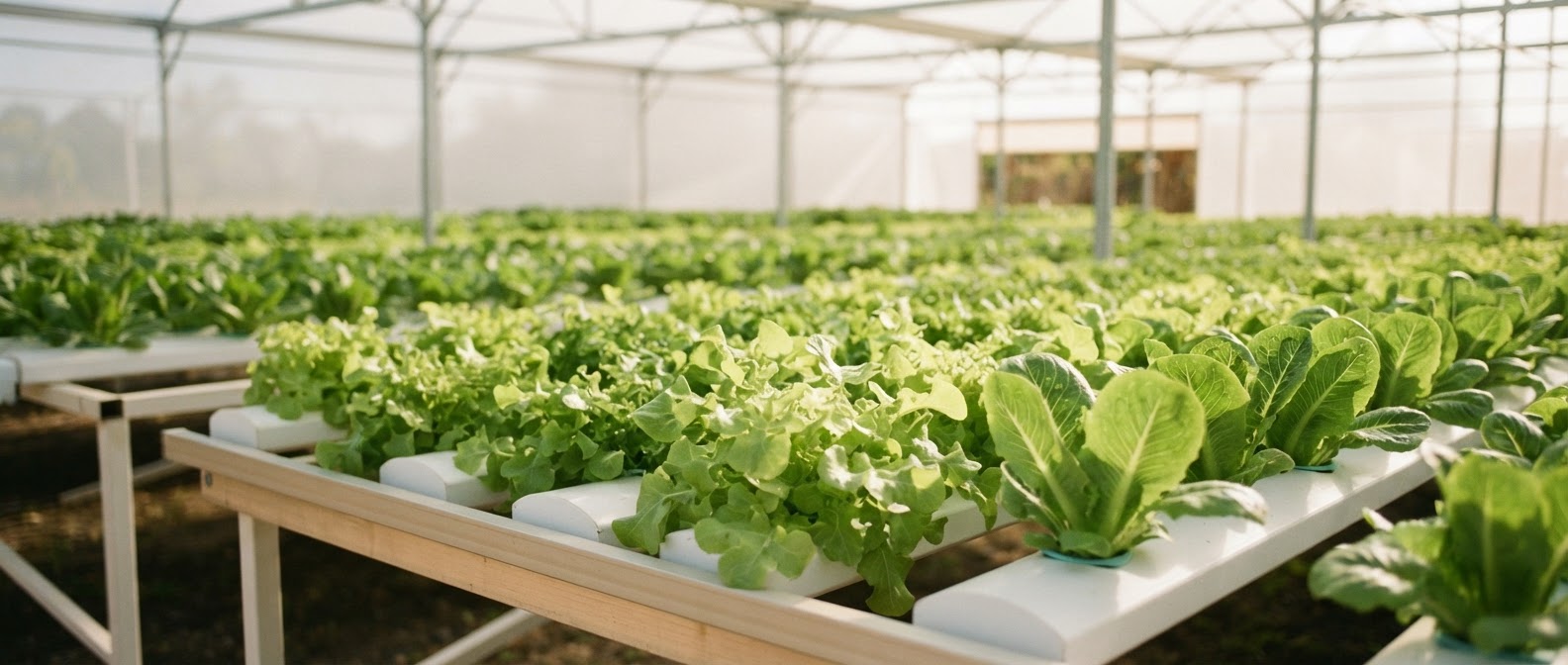
Starting points for pH and EC, with care notes and reference sources.
Open the library →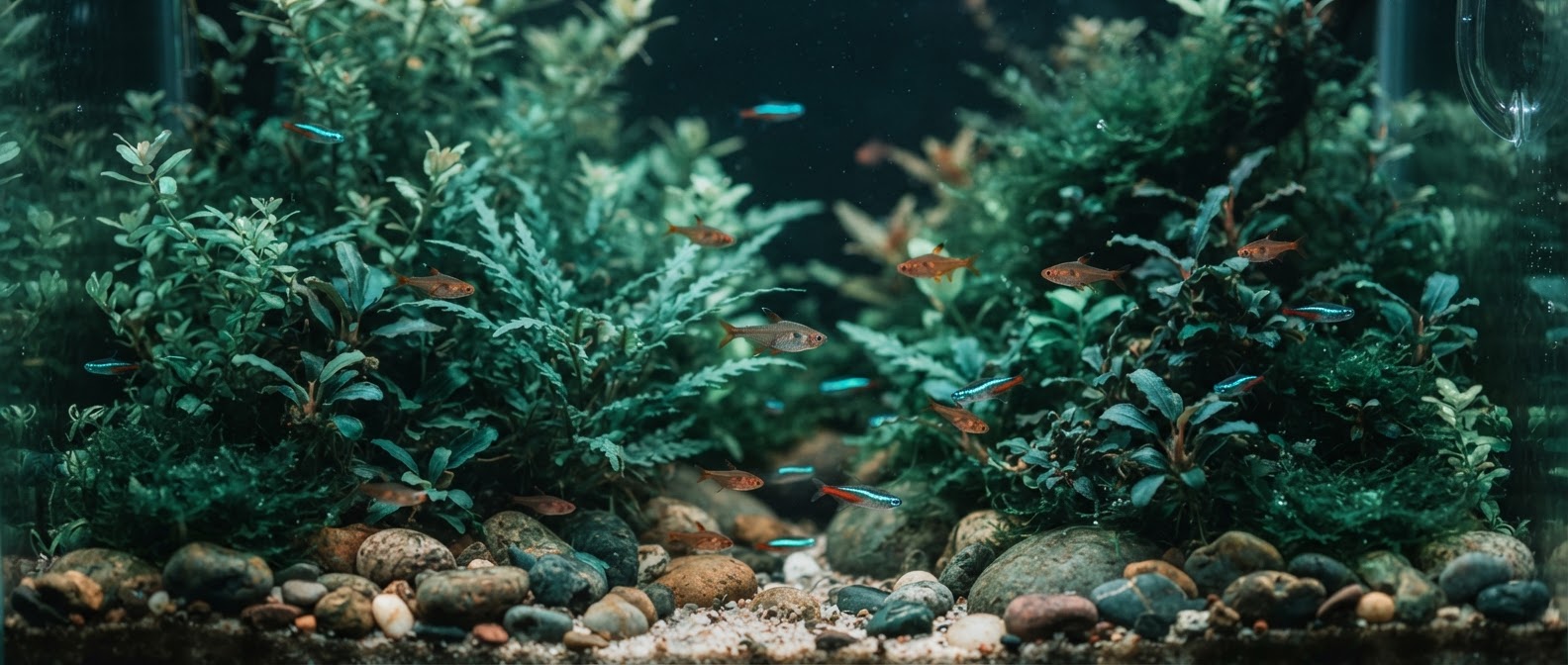
Species-specific water-care context. Use independent tests for unmeasured parameters.
Open the library →Online manuals & calibration guides
RVN-WQ8-LORA
Online setup, care and troubleshooting guide
Read online →RVN-WQ7-RS485 / M485
Online setup, care and troubleshooting guide
Read online →RVN-WQ7-WIFI / 10.0 Series
Online setup, care and troubleshooting guide
Read online →RVN-HYDRO-6IN1 / HY485
Online setup, care and troubleshooting guide
Read online →Standalone RS485 probe
Online setup, care and troubleshooting guide
Read online →TH-WIFI
Online setup, care and troubleshooting guide
Read online →Parameters, units and thoughtful monitoring.
Open the guide →Try another topic or contact support for your exact model.